
Introduction
Social media has quietly become a part of our everyday routine. From the moment we wake up to the time we fall asleep, scrolling, liking, and sharing have become second nature. Platforms like Instagram, WhatsApp, YouTube, and Snapchat influence how we think, communicate, and even live our lives. While social media brings many benefits, it also comes with challenges that shape our lifestyle in powerful ways.
Positive Effects of Social Media on Lifestyle
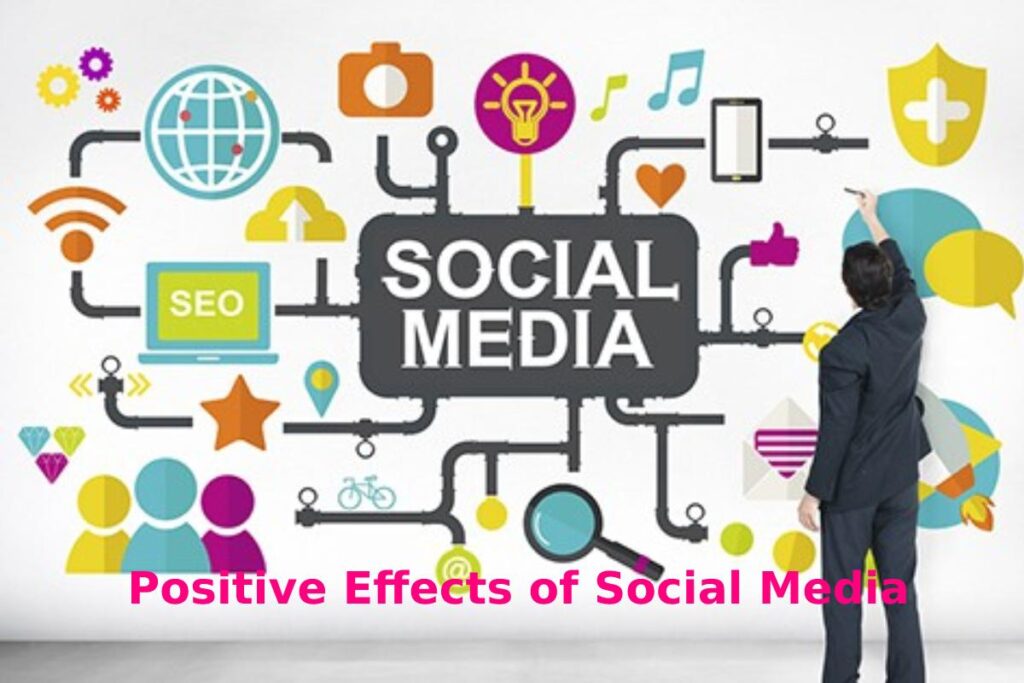
Social media plays a positive role when used mindfully. It helps people stay connected with friends and family, regardless of distance. It provides easy access to information, learning resources, and global awareness.
For students, creators, and entrepreneurs, social media has become a platform for self-expression, career growth, and creativity. It also helps spread awareness about health, education, and social issues, inspiring positive chang. It also provides a platform for self-expression. People can share their thoughts, creativity, and talents with confidence. For many, social media has opened doors to new opportunities, careers, and communities that support personal growth and inspiration.
Negative Effects of Social Media on Daily Life
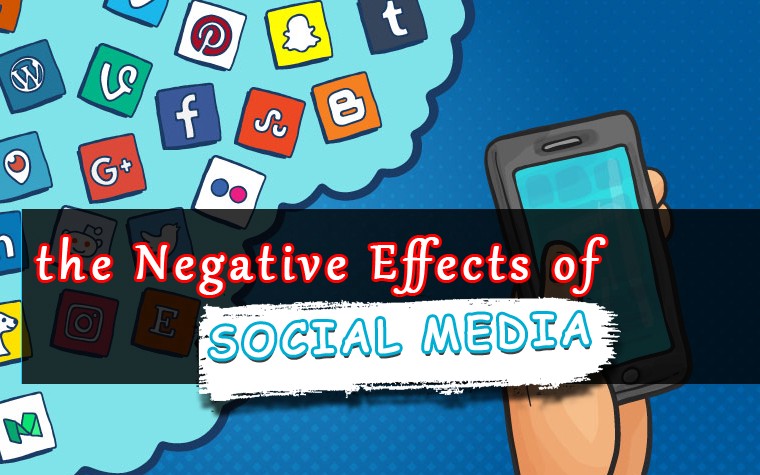
Excessive use of social media can negatively affect our lifestyle. Spending too much time online often reduces productivity, concentration, and real-life communication. Constant exposure to unrealistic standards can lead to comparison, low self-esteem, and stress.
Late-night scrolling can disturb sleep patterns, affecting both mental and physical health. Over time, virtual interactions may replace meaningful face-to-face relationship .Social media addiction can also reduce real-life interactions. Instead of meaningful conversations, people may feel more comfortable behind screens. Over time, this can create feelings of loneliness, stress, and emotional exhaustion.
Impact on Mental and Physical Health
Overuse of social media can cause anxiety, stress, and difficulty concentrating. Notifications and endless scrolling can overwhelm the mind, while long screen hours can strain eyes and disturb sleep cycles. A lifestyle dominated by screens often leaves little time for exercise, hobbies, or relaxation.
How to Maintain a Healthy Balance
Social media is a part of our daily life, but using it without balance can affect both our physical and mental health. The key is not to quit social media, but to use it wisely while taking care of yourself.
1. Set Screen-Time Limits
Spending too much time scrolling can lead to stress, eye strain, and poor sleep. Fix a daily time limit for social media and avoid using your phone late at night.
2. Follow Positive Content
What you see affects how you feel. Follow pages that promote motivation, learning, health, and positivity. Unfollow accounts that make you feel anxious, insecure, or negative.
3. Take Regular Digital Breaks
Step away from screens for some time each day. Use that time to read, walk, exercise, or talk to family and friends. Even short breaks can refresh your mind.
4. Focus on Physical Health
Make time for daily movement like walking, yoga, or stretching. Eat healthy food, drink enough water, and get proper sleep. A healthy body supports a healthy mind.5. Protect Your Mental Well-Being
5. Protect Your Mental Well-Being
Avoid comparing your life with others online. Remember that social media often shows only highlights, not reality. Practice mindfulness and self-care regularly.
6. Balance Online and Offline Life
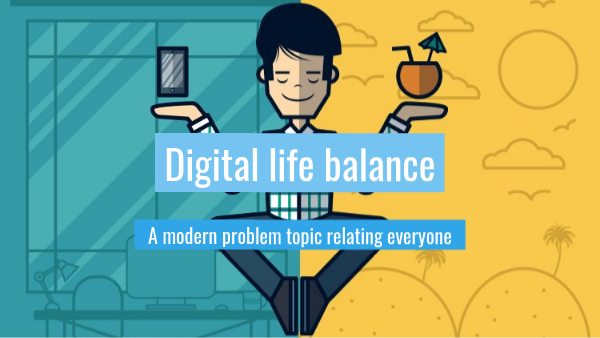
Use social media to connect, not replace real relationships. Spend quality time with people around you and enjoy offline moments without screens.
Conclusion
Social media has a powerful impact on our lifestyle, influencing habits, emotions, and relationships. When used consciously, it can be a valuable tool for growth and connection. A balanced approach helps us enjoy the digital world while protecting our mental peace and real-life happiness.